


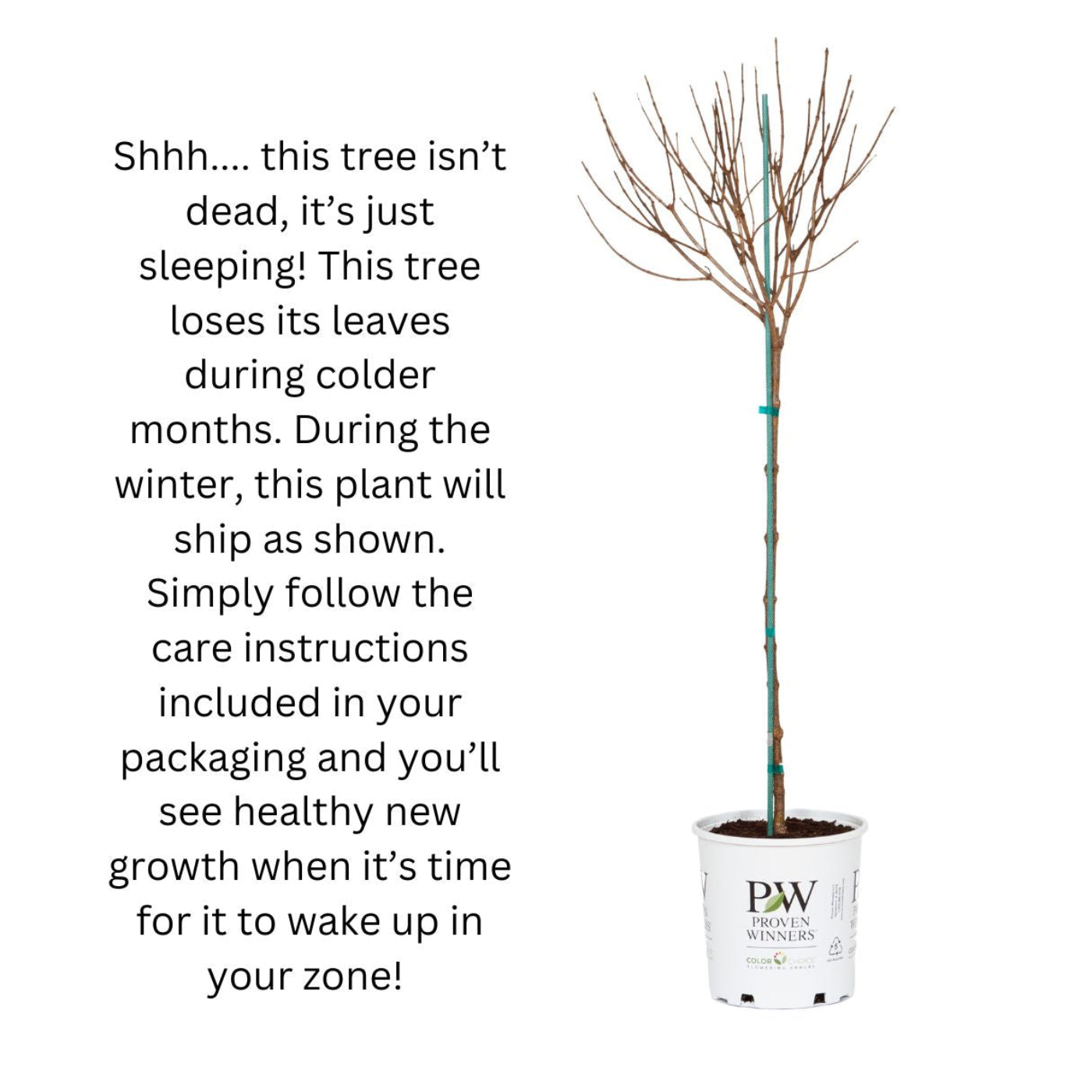
See How Your Tree Arrives
Packed with care. Ready to thrive.
Every My Patio Tree order is carefully packaged to protect your tree during shipping — arriving healthy, upright, and ready to plant.
Watch garden educators from Spoken Garden unbox and plant four of our tree-form shrubs, including tips on container selection, staking, and first watering.
Why You'll Love It
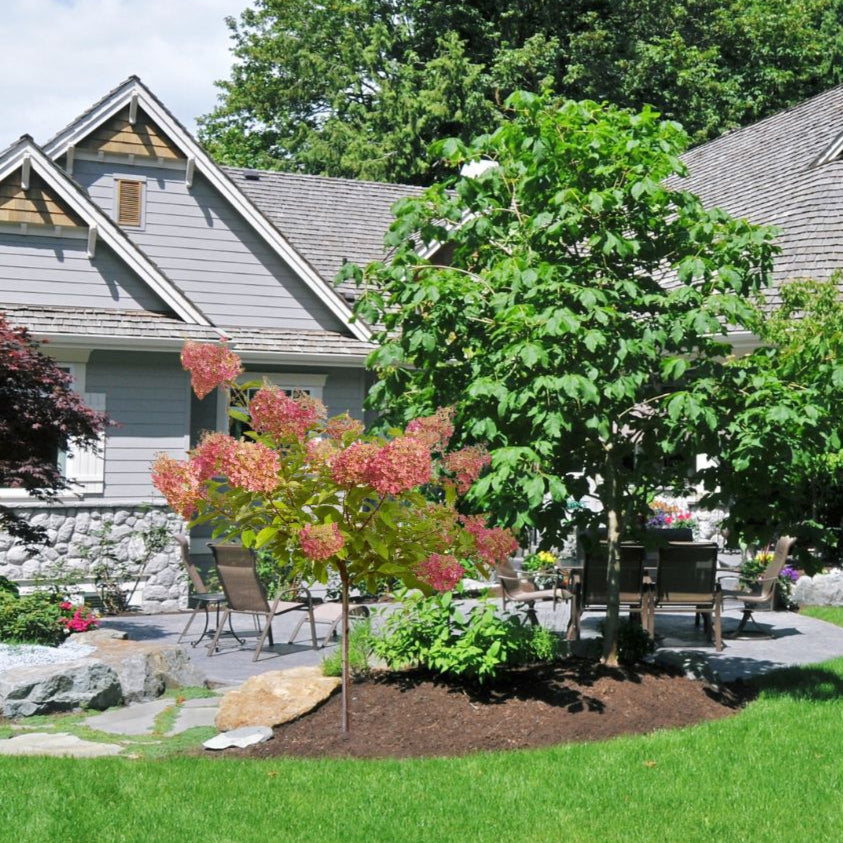
Phantom is the showstopper of the panicle hydrangea world. Its flower panicles are among the largest of any cultivar in the category — enormous creamy white cones that age to a soft blush pink and create a dramatic, almost theatrical presence in the garden. In tree form, those massive blooms are elevated to eye level and above, making Phantom one of the most impressive patio trees available.
What Makes It Special
- Exceptionally large flower panicles — among the largest of any panicle hydrangea
- Strong specimen presence as a standalone tree
- Long ornamental season with excellent color progression
Plant Information
| Botanical Name | Hydrangea paniculata 'Phantom' |
| Hardiness Zones | Zones 3–8 |
| Light | Full sun to part sun |
| Mature Size | 6–8 ft tall x 4–6 ft wide |
| Growth Rate | Moderate |
| Bloom Season | Summer into fall |
| Flower Color | Creamy white aging to blush pink |
| Fragrance | None |
| Foliage | Green |
Care Instructions
Planting & Watering
Plant in a location with full sun to part shade. In warmer climates (Zone 7 and above), afternoon shade helps prevent stress. Choose well-drained soil amended with compost. Dig a hole twice as wide as the root ball and at the same depth. Backfill, water thoroughly, and apply a 2–3 inch layer of mulch around the base, keeping it a few inches away from the trunk.
WateringWater deeply and regularly during the first growing season to establish a strong root system. Once established, water deeply during dry spells, especially in peak summer heat. Panicle hydrangeas are more drought tolerant than other hydrangea types once established, but consistent moisture produces the best bloom performance.
Pruning & Fertilizing
Prune in late winter or early spring before new growth begins. Panicle hydrangeas bloom on new wood, so spring pruning encourages vigorous new growth and strong flower production. Remove any dead or crossing branches and shape the canopy as desired.
FertilizingApply a balanced slow-release fertilizer in early spring as new growth emerges. Avoid over-fertilizing with high-nitrogen products, which can promote leafy growth at the expense of blooms. A light annual application is typically sufficient.
Winter Protection
Phantom is cold hardy to Zone 3 and requires no special winter protection in most climates. In the coldest zones, a layer of mulch around the root zone helps insulate the roots. Remove any winter-damaged wood in early spring.
Good to Know
Any shoots that emerge from below the graft union on the trunk should be removed promptly. These suckers come from the rootstock and will not match the canopy if left to grow.
Growing Zone Map

Phantom is cold hardy to Zone 3 and performs well through Zone 8, making it an excellent choice across most of the northern and central United States. Its large blooms are especially impressive in the longer summers of Zones 5–7.