See How Your Tree Arrives
Packed with care. Ready to thrive.
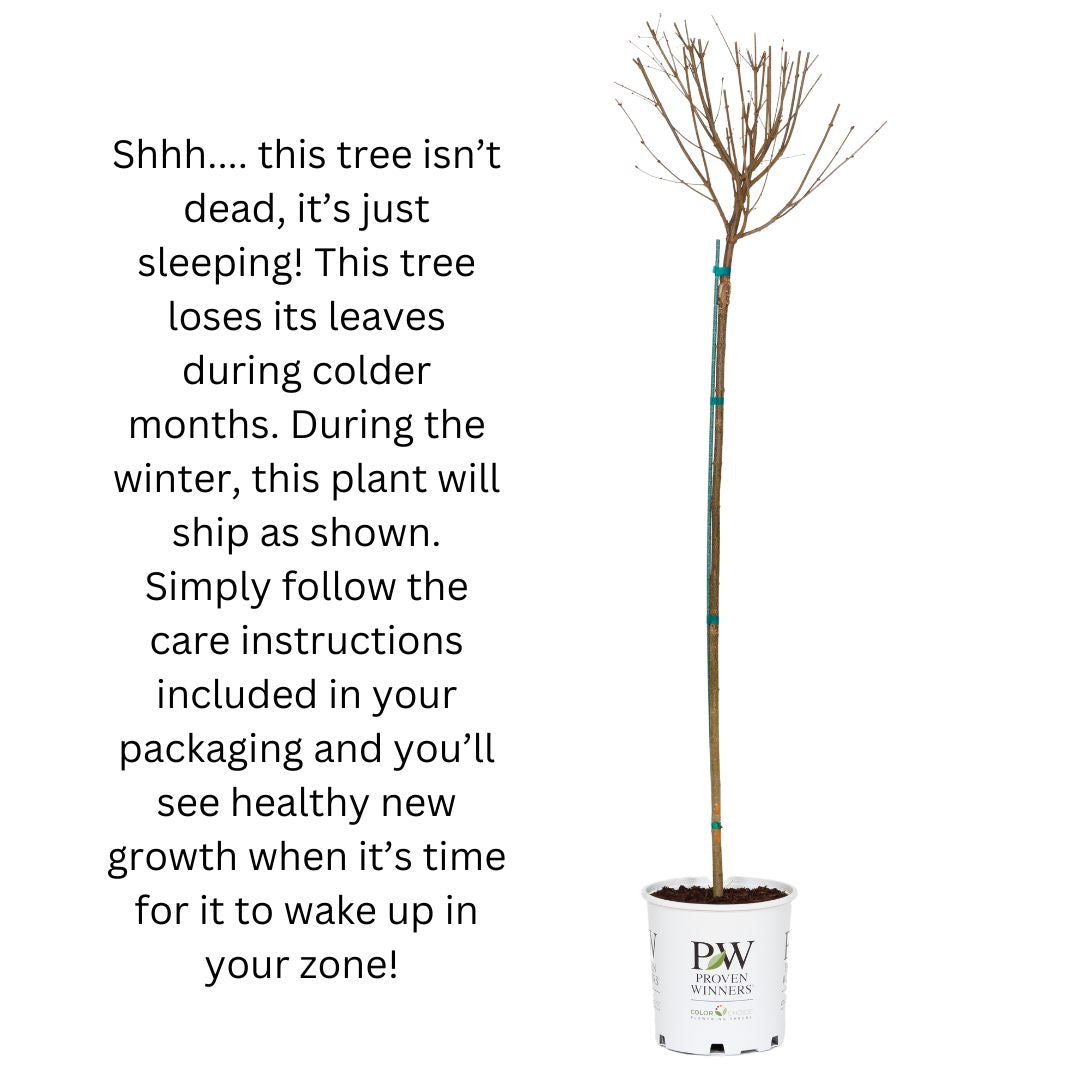
Every My Patio Tree order is carefully packaged to protect your tree during shipping — arriving healthy, upright, and ready to plant.
Watch garden educators from Spoken Garden unbox and plant four of our tree-form shrubs, including tips on container selection, staking, and first watering.
Why You'll Love It
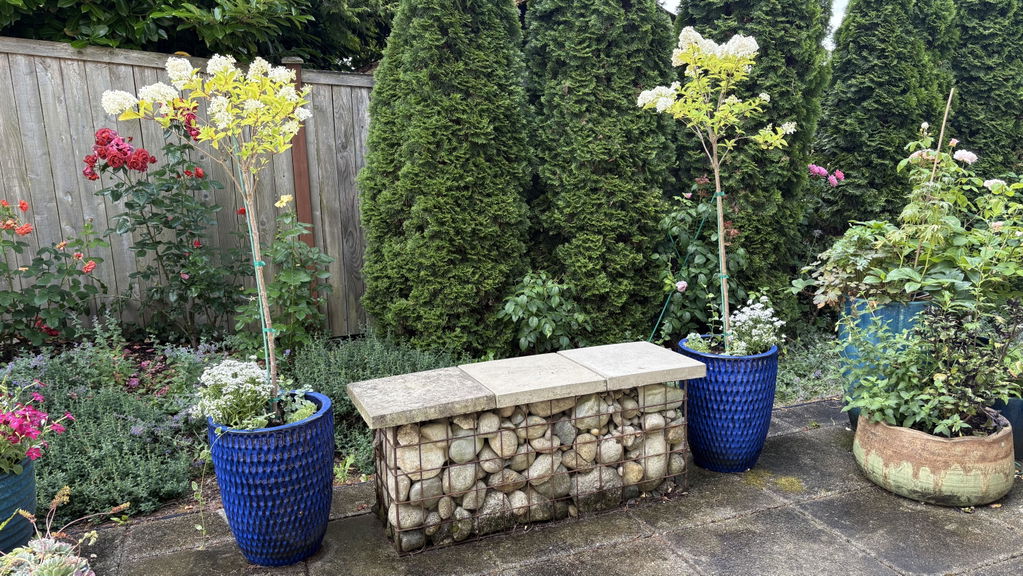
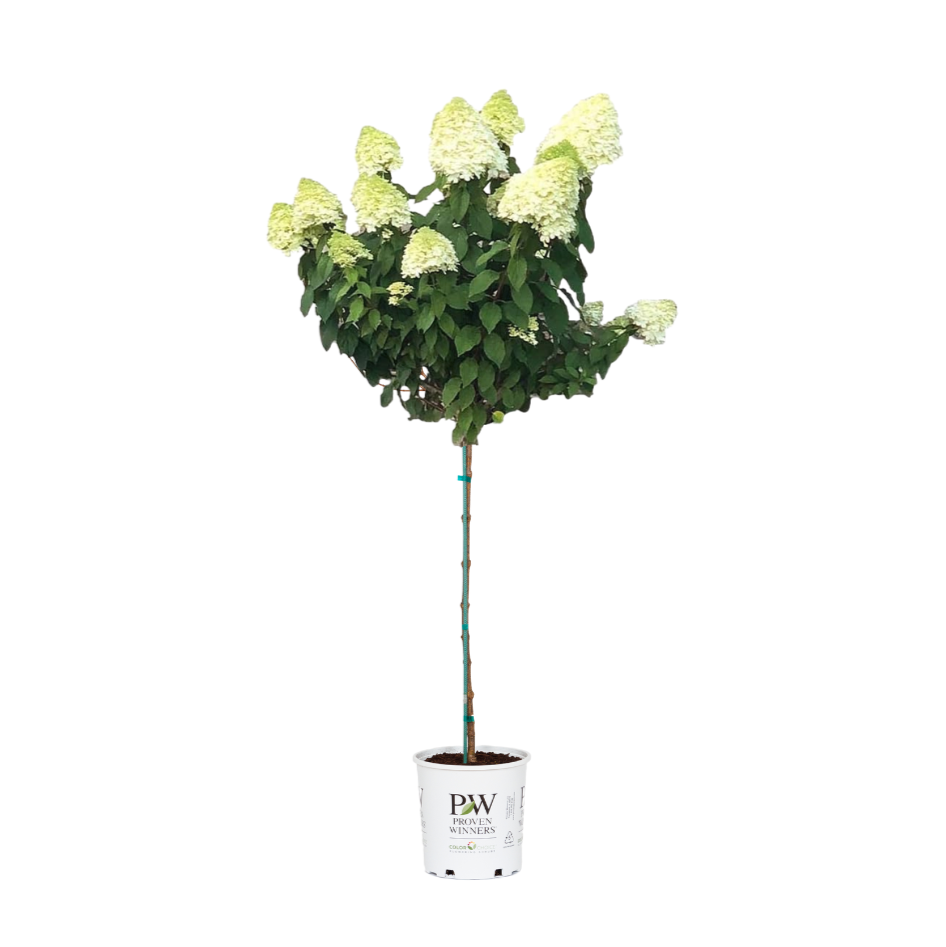
Limelight is the classic that started it all. With enormous lime-white flower panicles that age to creamy white and then blush pink as the season progresses, this tree hydrangea delivers a long season of ornamental interest that few plants can match. It is equally at home anchoring a patio container, framing an entryway, or serving as a standalone specimen in a mixed border.
What Makes It Special
- Large, showy panicles with exceptional presence
- Broad landscape adaptability — performs well across a wide range of climates
- One of the most reliable and widely grown panicle hydrangeas
Plant Information
| Botanical Name | Hydrangea paniculata 'Limelight' |
| Hardiness Zones | Zones 3–8 |
| Light | Full sun; part sun acceptable in warmer zones |
| Mature Size | 6–8 ft tall x 4–5 ft wide |
| Growth Rate | Moderate |
| Bloom Season | Summer into fall |
| Flower Color | Lime-white to creamy white, aging to pink tones in fall |
| Fragrance | None |
| Foliage | Green |
Care Instructions
Planting & Watering
Plant in a location with full sun to part shade. In warmer climates (Zone 7 and above), afternoon shade helps prevent stress. Choose well-drained soil amended with compost. Dig a hole twice as wide as the root ball and at the same depth. Backfill, water thoroughly, and apply a 2–3 inch layer of mulch around the base, keeping it a few inches away from the trunk.
WateringWater deeply and regularly during the first growing season to establish a strong root system. Once established, water deeply during dry spells, especially in peak summer heat. Panicle hydrangeas are more drought tolerant than other hydrangea types once established, but consistent moisture produces the best bloom performance.
Pruning & Fertilizing
Prune in late winter or early spring before new growth begins. Panicle hydrangeas bloom on new wood, so spring pruning encourages vigorous new growth and strong flower production. Remove any dead or crossing branches and shape the canopy as desired. Harder pruning results in fewer but larger flower heads; lighter pruning produces more but smaller blooms.
FertilizingApply a balanced slow-release fertilizer in early spring as new growth emerges. Avoid over-fertilizing with high-nitrogen products, which can promote leafy growth at the expense of blooms. A light annual application is typically sufficient.
Winter Protection
Limelight is cold hardy to Zone 3 and requires no special winter protection in most climates. In the coldest zones, a layer of mulch around the root zone helps insulate the roots. Remove any winter-damaged wood in early spring.
Good to Know
Any shoots that emerge from below the graft union on the trunk should be removed promptly. These suckers come from the rootstock and will not match the canopy if left to grow. Keep the trunk clear for a clean, elegant tree form.
Growing Zone Map

Limelight is cold hardy to Zone 3 and heat tolerant through Zone 8, covering the vast majority of the continental United States. It is one of the most climate-adaptable hydrangea trees available.